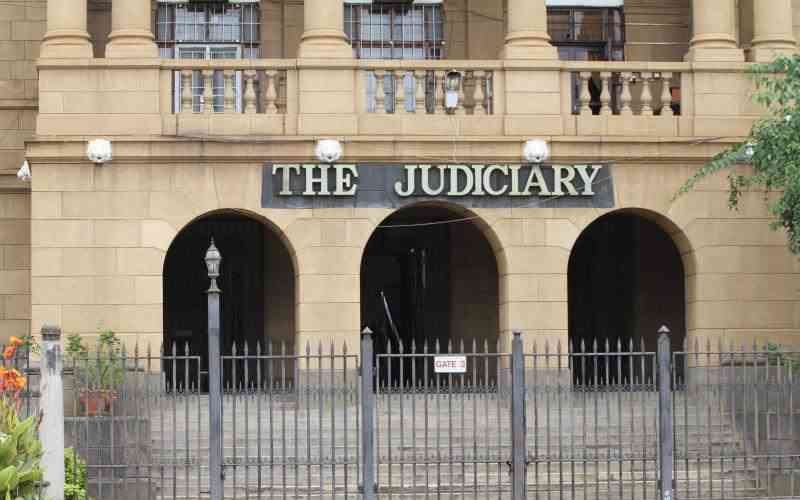
The Judicial Service Commission is set to start interviewing candidates on March 24 for appointments to the Environment and Land Court, a step aimed at reinforcing the capacity of the judiciary to handle land and environmental cases more effectively. The recruitment process seeks to fill 10 judicial positions, with 50 candidates having been shortlisted.
“The Judicial Service Commission will on Tuesday, March 24, 2026, commence interviews for the position of Judge of the Environment and Land Court,” the commission stated.
According to the JSC, this exercise is part of efforts to expand judicial resources and ensure faster resolution of cases, particularly those relating to land ownership, use, and environmental management, which continue to be among the most contested issues in Kenya.
To increase transparency and public participation, the commission has compiled an information booklet detailing the selection process, eligibility criteria, and profiles of all shortlisted candidates.
The Environment and Land Court, a superior court established under Article 162(2) of the Constitution, is tasked with hearing and resolving disputes concerning land, land use, environmental protection, and ownership rights.
Its jurisdiction is further set out in the Environment and Land Court Act, which covers a broad range of matters, including disputes over land titles, administration, and environmental oversight.
The court operates nationwide, hearing both original and appeal cases involving private, public, and community land, as well as contracts and legal instruments granting land interests.
It also handles appeals from lower courts and tribunals, including the National Land Commission, the Business Premises Rent Tribunal, the Rent Restriction Tribunal, the National Environment Tribunal, and the Cooperative Tribunal, wherever land issues are involved.
In addition to its adjudicatory role, the court oversees the work of subordinate courts and tribunals under Article 165(6) of the Constitution.
The recruitment drive arrives as the judiciary faces pressure to reduce case backlogs and address long-standing delays in resolving land disputes, which remain a source of both legal and social tension across the country.